


Contemporary Art Trends: Navigating the Evolving Market
- May 19
- 3 min read
The contemporary art market is vibrant and ever-changing. As someone deeply involved in this world, I see how trends shape what collectors seek and how artists express themselves. Understanding these shifts is key to making informed decisions, whether you are buying, selling, or simply appreciating art. Let’s explore the latest movements and what they mean for the future.
Understanding Contemporary Art Trends Today
Contemporary art trends reflect broader cultural, social, and technological changes. Right now, we see a strong emphasis on diversity and inclusion. Artists from various backgrounds are gaining recognition, bringing fresh perspectives that challenge traditional norms. This shift is not just about representation but also about the stories and experiences that art conveys.
Another trend is the blending of mediums. Traditional painting and sculpture coexist with digital art, installations, and performance pieces. This fusion creates dynamic works that engage audiences in new ways. For collectors, it means expanding horizons beyond classic formats.
Sustainability is also influencing art production and consumption. Eco-friendly materials and themes related to the environment are becoming more common. This reflects a growing awareness of global issues and a desire to connect art with activism.
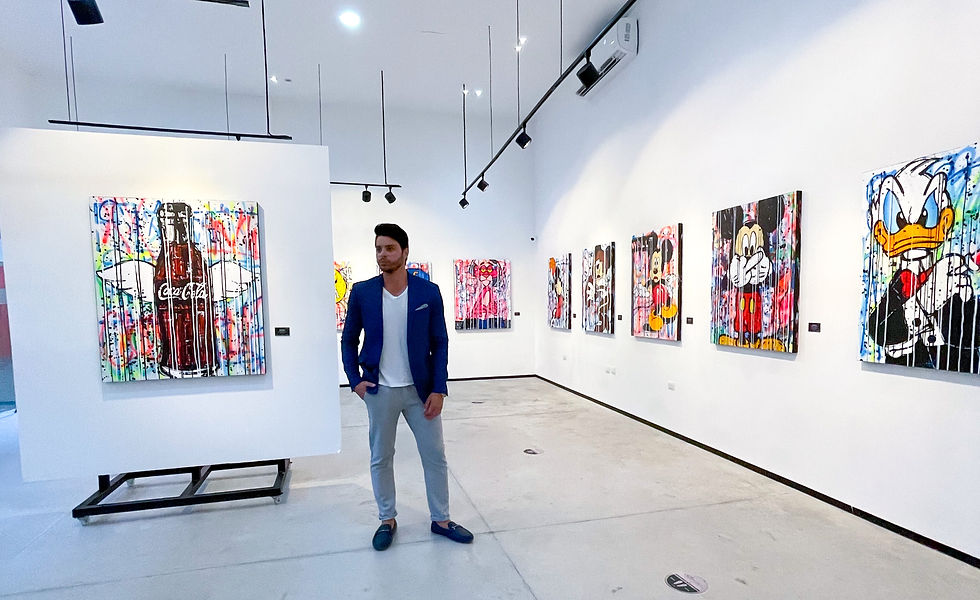
Key Contemporary Art Trends Shaping the Market
Let’s dive deeper into some specific trends that are currently shaping the market:
Digital and NFT Art
The rise of blockchain technology has introduced NFTs (Non-Fungible Tokens) as a new way to own and trade art. This trend has opened doors for digital artists and created a new collector base. While some remain skeptical, NFTs are here to stay and are influencing how art is valued and authenticated.
Globalization of Art
Art markets are no longer confined to traditional hubs like New York or London. Emerging markets in Asia, Latin America, and Africa are gaining prominence. This globalization brings diverse artistic voices to the forefront and offers collectors access to unique works.
Experiential and Immersive Art
Audiences crave interaction. Exhibitions that offer immersive experiences, such as virtual reality or interactive installations, attract attention and create memorable encounters. This trend pushes artists to think beyond static displays.
Focus on Social and Political Themes
Contemporary art often reflects current events and societal issues. Themes like identity, migration, and climate change are prevalent. Collectors interested in meaningful narratives find these works particularly compelling.
Rise of Female and Minority Artists
The market is correcting historical imbalances by spotlighting female and minority artists. This shift enriches the art scene with diverse viewpoints and challenges collectors to rethink their collections.
How to Navigate the Contemporary Art Market
Navigating this dynamic market requires knowledge and strategy. Here are some practical tips:
Stay Informed: Follow art fairs, auctions, and galleries to spot emerging trends and artists. Platforms offering contemporary art market analysis provide valuable insights.
Build Relationships: Connect with artists, curators, and other collectors. These relationships can lead to exclusive opportunities and deeper understanding.
Diversify Your Collection: Don’t limit yourself to one style or medium. Explore digital art, mixed media, and works from different regions.
Consider Long-Term Value: Look beyond hype. Evaluate an artist’s career trajectory, exhibition history, and critical reception.
Visit Local Art Scenes: Supporting local artists and galleries can uncover hidden gems and contribute to the community.

The Role of Technology in Contemporary Art
Technology is a game-changer in how art is created, displayed, and sold. Digital tools allow artists to experiment with new forms and reach global audiences instantly. Virtual galleries and online auctions have made art more accessible than ever.
Moreover, data analytics help collectors and dealers understand market trends and buyer preferences. This information can guide smarter investments and marketing strategies.
However, technology also raises questions about authenticity and ownership, especially with digital art. It’s essential to stay updated on these developments to navigate the market confidently.
Looking Ahead: What to Expect in the Contemporary Art Market
The future of the contemporary art market looks promising but complex. Here’s what I anticipate:
Increased Integration of Art and Technology: Expect more collaborations between artists and tech innovators, leading to groundbreaking works.
Greater Emphasis on Sustainability: Eco-conscious art practices will become standard, influencing materials and themes.
Expansion of Global Markets: New regions will emerge as important players, diversifying the art ecosystem.
Evolving Collector Profiles: Younger, tech-savvy collectors will shape demand and preferences.
Continued Focus on Social Impact: Art will remain a powerful tool for dialogue and change.
By staying curious and adaptable, you can enjoy and benefit from these exciting developments.
Exploring contemporary art trends is not just about following the market but engaging with a vibrant cultural movement. Whether you are drawn to bold new media or powerful narratives, the contemporary art world offers endless possibilities. Keep exploring, stay informed, and let your passion guide you.
Comments